.jpg)
.jpg)
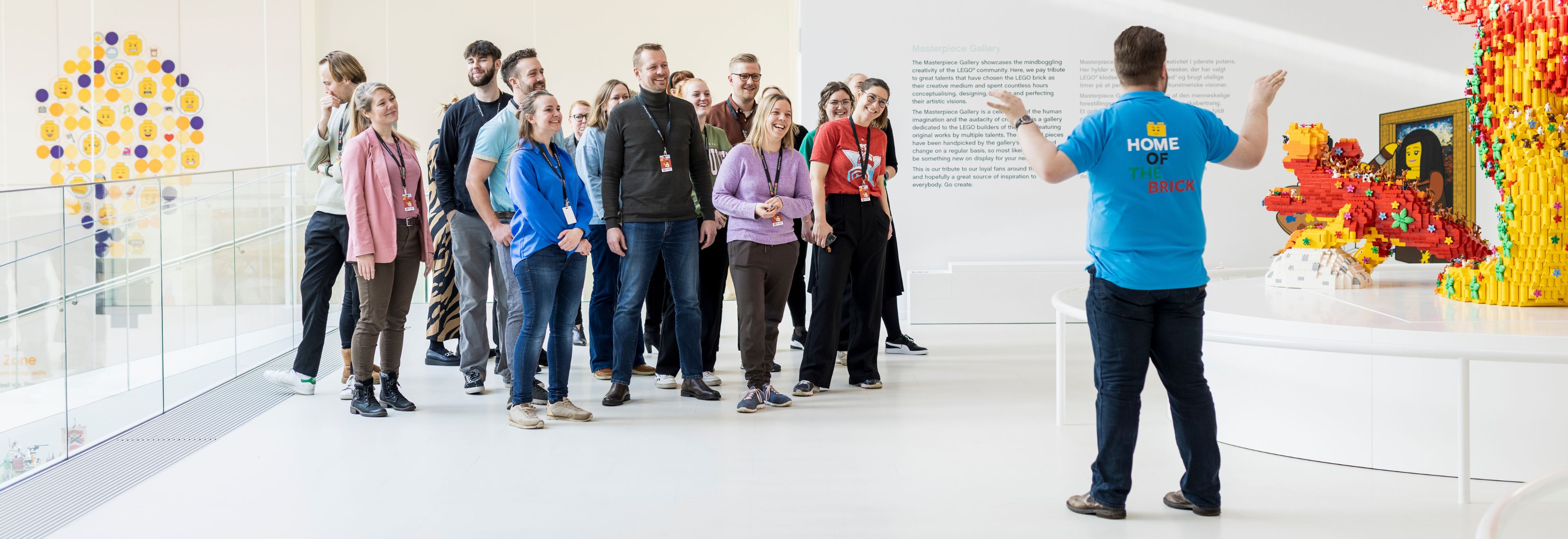

LEGO® House school program
Welcome to our learning universe
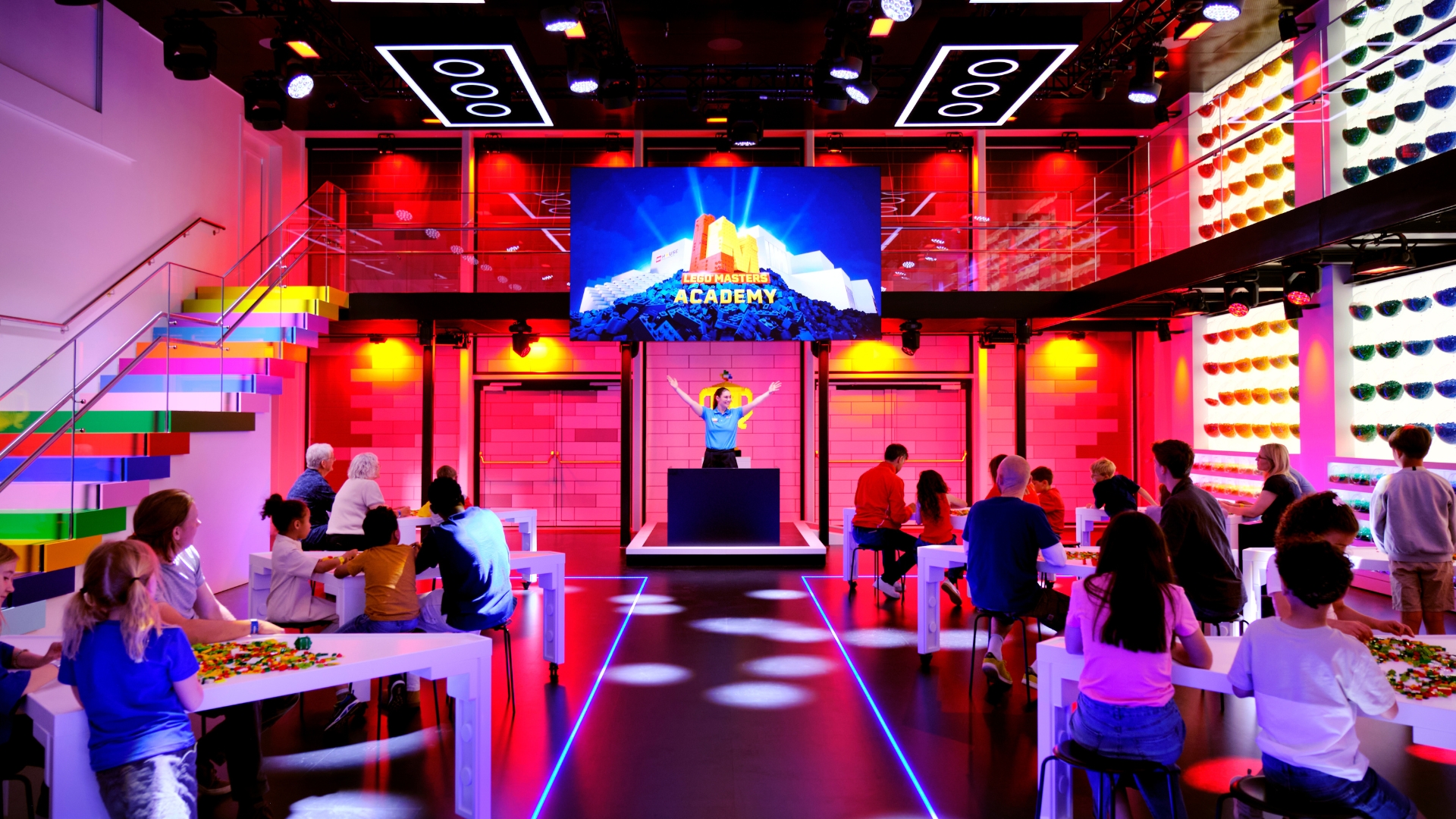
In LEGO® House, you have the opportunity, to take your 1st-6th graders to experience a school day in our inspiring surroundings. We have four school lessons which you can choose from, and common for all is that you learn through play. On this page you can read more about our approach to play and learning, you can find lesson descriptions for all four lessons and you can find practical information for booking and planning the school visit.
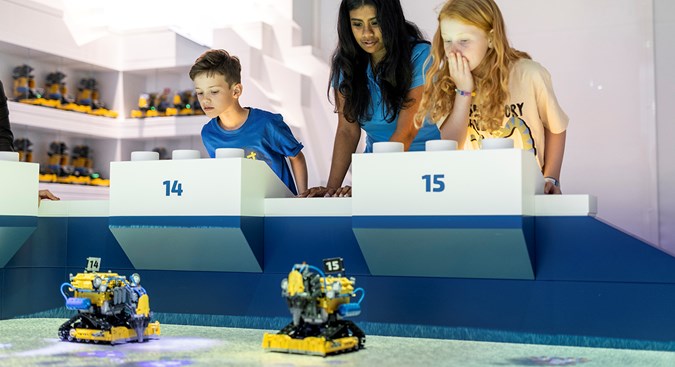
Robo Lab
Focus: The cognitive competence Grades: 3rd - 6th grade Length: 75 minutes This lesson takes place in the Blue Zone, where the cognitive competence is in focus. During this lesson, students will program a beekeeper robot to plant as many flowers as possible to create a sustainable garden for the bees. Students are introduced to the principles of programming, as well as choices and consequences for our biodiversity according to World Goals 15.
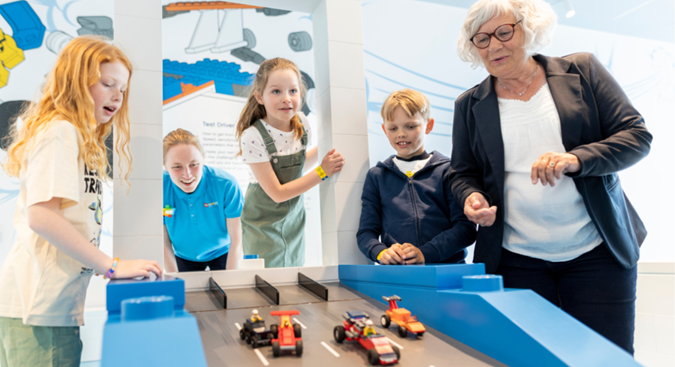
Test Driver
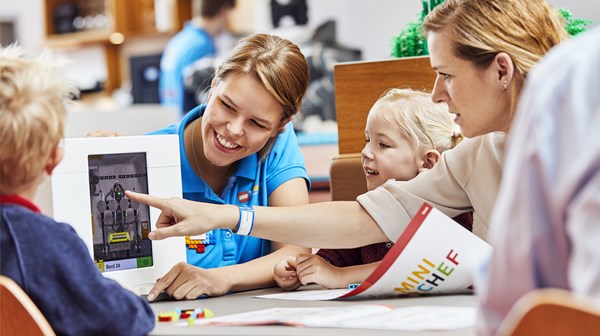
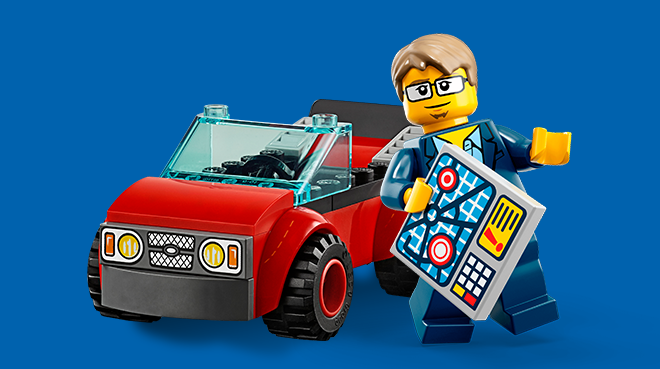
Focus: The cognitive competence Grades: 1st - 3rd grade Length: 75 minutes This lesson takes place in the Blue Zone, where the cognitive competence is in focus. In Test Driver, students must work together in pairs to build a car. During the construction phase, students will try out and test ideas and then adjust the car to cope with the specific missions. In this lesson, the process is more important than the result itself.
Story Lab
Focus: The social competence Grades: 4th - 6th grade Length: 75 minutes The lesson takes place in the Green Zone, where the focus is on the social competence. In Story Lab, students must work together in pairs to create a stop-motion film from idea to finished film. In this lesson, the students will work with relevant Danish subjects, storytelling and work focused on some of the most important social competencies.
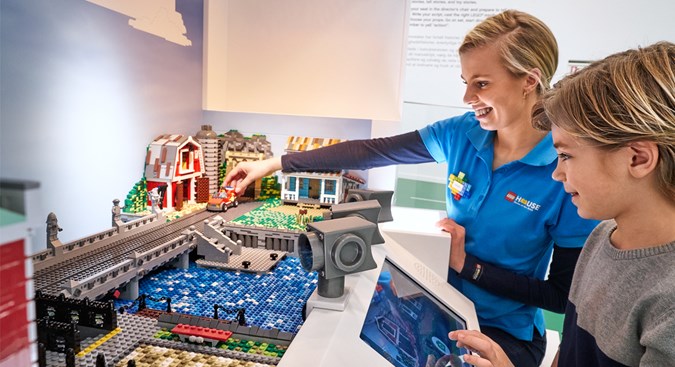
Fish Designer
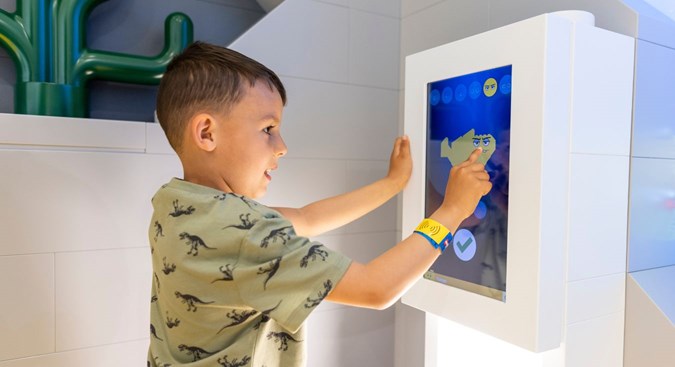
Focus: The emotional competence Grades: 1st - 2nd grade Length: 75 minutes This lesson takes place in the Yellow Zone, where the focus is on the emotional competence. In Fish Designer, students must individually build a fish, then release it into the digital aquarium. Based on events in the aquarium, we will ask the students to relate to the fish's behavior, emotional expressions and conceptualize them.